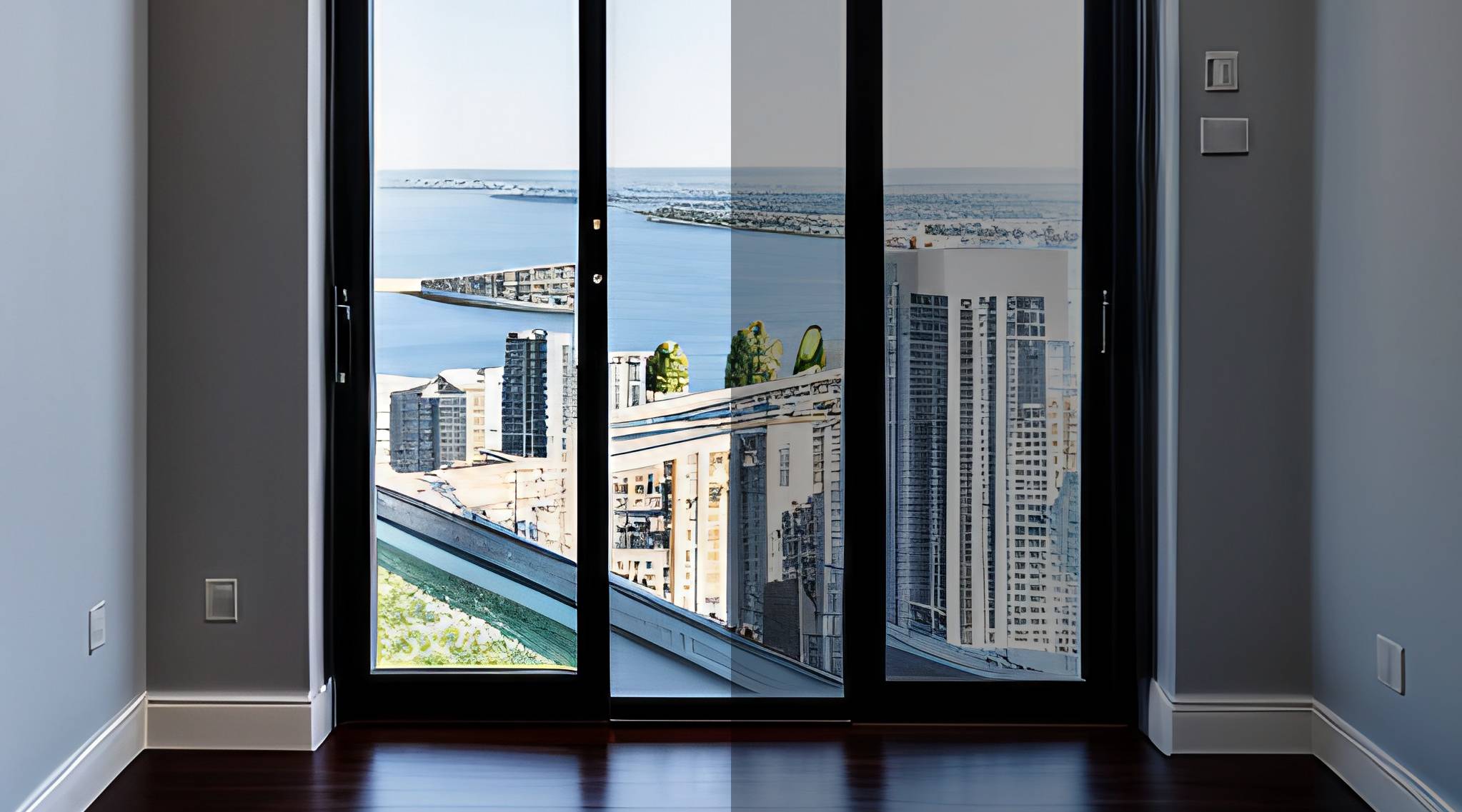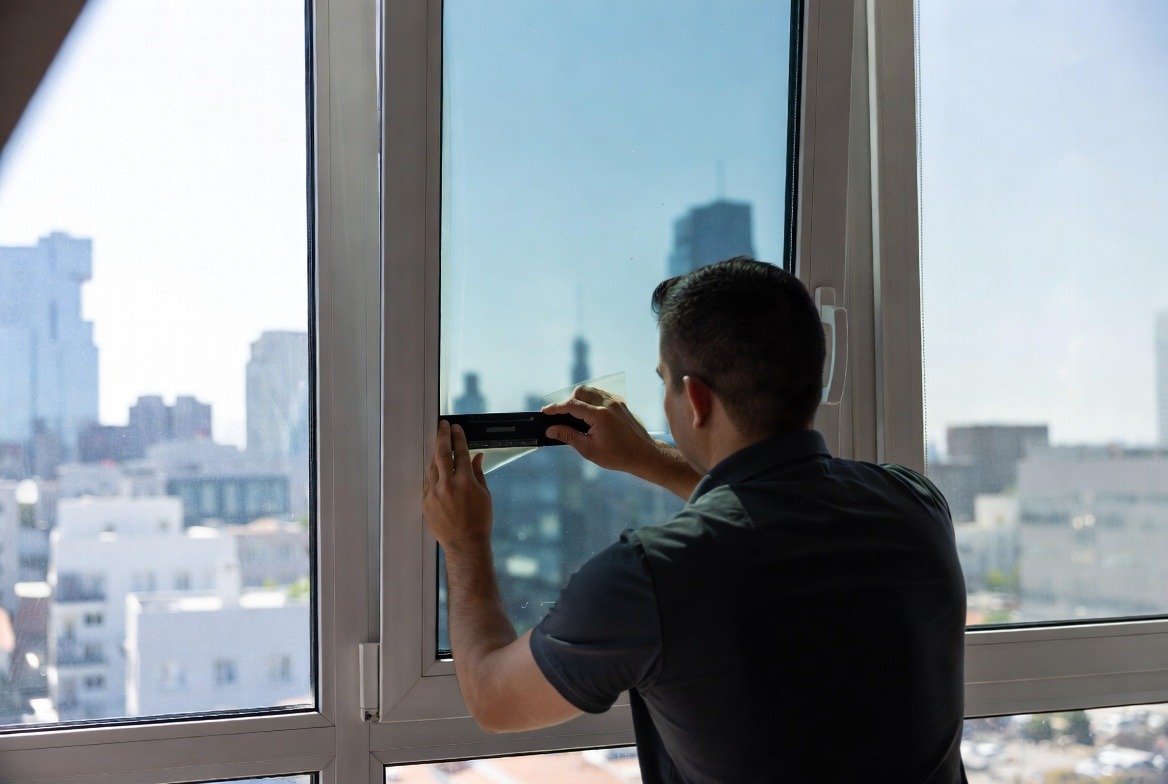
Learn how tinted window films, security films, privacy films, and mirror films can improve comfort, safety, and style.

  • What Are Storefront Window Films for Logos and Lettering? A Clear Toronto Guide

    What Are Storefront Window Films for Logos and Lettering? A Clear Toronto Guide

    Window films are one of the easiest ways to make storefront glass work harder for your business. In Toronto and the GTA, window films help shops, salons, clinics, cafés, offices, and studios add custom lettering, logo graphics, privacy bands, and simple door signage without changing the glass itself. For many local owners, window films are a smart way to improve branding, privacy, and first impressions while keeping the front of the unit bright and clean.

    That matters because people decide fast. They walk past, slow down for a second, and look at the glass. They want to know the name, the hours, and what kind of place it is. On Queen Street West, Bloor Street, Yonge Street, The Danforth, Eglinton, and in plazas across North York, Vaughan, Markham, Mississauga, Scarborough, and Brampton, the front window often speaks before your staff does. If the glass is blank, cluttered, or hard to read, the storefront can feel unfinished even when the busines inside is strong.

    Storefront window films help solve that problem. They can show your logo in the right spot. They can hide clutter near a front desk or service counter. They can add privacy to a waiting area without making the space feel dark. They can also make a leased unit feel more custom without pushing the owner into a full front rebuild. For many GTA businesses, that mix of branding and pratical use is the whole point.

    This article explains what storefront window films are, how logo film and lettering work, why decorative and privacy film matter on commercial glass, and how to choose a layout that fits a Toronto storefront. The goal is simple. Help you see how window films can make the front of a space easier to find, easier to trust, and easier to remember.

    What storefront window films are and what they do on commercial glass

    Storefront window films are adhesive materials installed on glass. Some are cut into letters. Some are printed with full-colour logos. Some are frosted or patterned to add privacy. Some combine all of those jobs in one layout. In plain language, they turn empty glass into something useful.

    The most common uses are easy to spot once you notice them. Business name on the main pane. Hours on the entry door. A logo at eye level. A frosted band across the lower half of the glass. A privacy strip around a treatment room. A small line of text that points customers to the right entrance. These details look simple, but they shape how a storefront feels from the sidewalk.

    That is why window films matter more than many owners first think. A storefront does not need to scream at people. It just needs to communicate quickly. Someone walking by should be able to read the name, understand the type of business, and feel that the place is open and cared for. Window films help with that because they make the front of the space more organized.

    They also fill the gap between two bad options. One bad option is leaving the glass empty and hoping people figure it out. The other bad option is covering the glass with taped posters, paper notices, and mismatched signs. Film gives a cleaner middle ground. The window stays bright, but it also starts doing a job.

    This is very useful for leased units. Many Toronto business owners do not want to spend heavily on permanent changes when the unit may change hands, the brand may shift, or the landlord may set limits on what can be done. Window films are more flexible. A logo can be updated. Door text can change. A frosted section can be adjusted later. That flexibility is a big reason they show up in so many local retail strips and mixed-use spaces.

    There is also a technical side, even if the result looks simple. Film has to be measured to the exact pane. The glass must be cleaned well. Letters have to sit straight. Printed graphics have to line up with the real sight line from outside, not just look good in a design file. Handles, mullions, corners, and swing doors all affect placement. Storefront glass is not forgiving. If spacing is off or edges lift, people notice right away.

    How window films help branding, privacy, and customer trust

    The first big job is branding. Window films let a business put its name and logo right where people already look. That sounds basic, but it solves a common problem. Many storefronts still have logos that are too small, too low, too high, or mixed in with too much text. When that happens, people do not read the space fast enough. A clear film layout fixes that.

    The second big job is privacy. A lot of commercial spaces want more privacy, but not total cover. Clinics want to protect patient comfort. Salons want to soften direct views from the street. Offices want some screening for meeting areas. Studios want to hide equipment without making the place feel shut down. Frosted and patterned window films work well here because they block sight lines while still letting in light.

    The third big job is trust. People make small trust decisions before they walk in. Straight lettering, clean edges, readable hours, and a balanced logo tell them the business pays attention. Peeling decals, crooked text, or old tape marks tell a different story. That may feel unfair, but it is real. The front window acts like a handshake before the actual handshake.

    One Toronto example came from a small bakery near High Park. The business had a loyal local crowd, but many first-time visitors missed it because the glass only had a tiny sign on the door. The owner added a larger logo film on the main pane, simple white hours on the entrance door, and a short line under the logo that said coffee, bread, and pastries. The shop still looked open and friendly, but it finally read as a real storefront from a distance. Staff said people stopped walking past and doubling back. They could see the place sooner.

    Another example came from a wellness clinic in North York. The unit had bright front glass, which looked good in photos, but patients seated near the front felt exposed. The clinic did not want dark tint. It wanted partial privacy and a calmer look. A frosted mid-band with a small printed logo solved it. Patients had more comfort. Staff kept the daylight. The clinic looked cleaner from the street, and the front waiting area felt less awkward.

    These are simple changes, but they fix real problems. That is why storefront window films are more than decoration. They help shape how the business works every day. They help the outside match the inside.

    Why window films make sense for Toronto and GTA storefronts

    Toronto storefronts deal with a lot of different conditions. Some face heavy foot traffic. Some depend on drivers reading the unit from farther away. Some get strong west sun in summer. Some sit under deeper awnings and need bolder lettering to stand out. Some older units have odd pane sizes. Some newer ones have full-height glass that looks sleek but offers very little privacy. Window films fit many of these situations because they are flexible.

    They also suit the pace of local business life. In the GTA, businesses update branding, add services, change hours, and refresh layouts pretty often. A café may add weekend hours. A clinic may add a practitioner. A salon may rebrand after a year. A real estate office may want room labels for new staff. Window films make those changes easier than many fixed sign systems.

    Seasonal conditions matter too. In winter, slush and salt make storefronts look rough fast. A clean, readable film layout can help the unit still feel active during grey months. In summer, strong light can create glare and make a front counter or waiting area feel too exposed. Frosted or selective privacy film can soften that without making the whole unit feel dark. That is one reason so many local owners ask for partial coverage instead of full coverage.

    Storefront film can also support parts of the business beyond branding. Some window films help reduce UV exposure on interior finishes and displays. The Government of Canada explains that UV filtering on windows can reduce the damage caused by ultraviolet radiation to materials. For storefronts with printed menus, fabrics, packaging, merchandise displays, or wood shelving near the glass, that can be a nice side benefit over time. You can read the official guidance here: Ultraviolet Filters – Canadian Conservation Institute.

    Local rules matter as well. Before putting larger graphics on storefront windows, Toronto owners should check the City’s sign guidance. The City explains that window signs are allowed in many sign districts, but limits apply, including rules around size and first-party copy. That page is here: City of Toronto general sign inquiries.

    That local rule check is not just paperwork. It helps owners plan smarter. A layout that looks great on a designer’s screen still has to work on the actual building, in the actual district, on the actual window size. This is where local experience matters. A film layout for a downtown Toronto streetfront may not be right for a suburban plaza in Brampton. The glass, distance, traffic, and reading angle all change.

    How to choose the right storefront window films and layout

    The best place to start is with one simple question: what should the glass do first? Should it show the name from farther away? Should it add privacy? Should it hide clutter near the bottom of the pane? Should it make the unit feel more polished without blocking the view inside? Once that first job is clear, the layout gets easier.

    A short planning list helps:

    • Branding: What should people read first?
    • Privacy: Do you need full coverage, partial coverage, or just a band?
    • Light: Do you still want an open, bright front?
    • Distance: Will people read the glass from the sidewalk or the parking lot?
    • Updates: Will hours, services, or promos change often?

    For many storefronts, the best answer is balance. A readable logo on the main pane. Clear hours on the entry door. A frosted or patterned band where privacy helps. Enough open glass to keep the front welcoming. This kind of layout usually ages better than a giant full-window graphic. It also tends to stay easier to clean and update.

    Placement matters alot. Door lettering should not fight with the handle. A logo should be sized for the real approach path, not just the mockup. A privacy band should line up with seated or standing eye level, depending on how the space is used. A lower frosted section can hide storage bins or cables near the window without making the whole business feel closed. Small choices like that change the final result a lot more than owners expect.

    It also helps to think about maintenance. High-touch doors need durable material and good edge finishing. Side panes with less contact can handle more detail. A good installer should explain basic cleaning, what tools to avoid, and how to keep the film looking neat. That advice sounds boring, but it saves headaches later.

    For Toronto and GTA businesses, storefront window films are one of the simplest upgrades that still make a visible difference. They help the front window explain the business better. They add privacy where privacy helps. They give the unit a more finished look without turning the project into a major renovation. When the glass starts doing its job well, the whole storefront feels easier to trust, easier to find, and easier to remember.

  • What Are Toronto Permit Requirements for Commercial Window Films? A Practical Guide for GTA Businesses

    What Are Toronto Permit Requirements for Commercial Window Films? A Practical Guide for GTA Businesses

    Window films are now common in Toronto offices, clinics, shops, restaurants, and service spaces. Businesses use window films for privacy, branding, glare control, and a cleaner look on glass. But before vinyl film, frosted film, or logo graphics go on a storefront or office partition, one question comes up fast: do these window films need a permit?

    The short answer is simple. Some window films do not need a permit. Some window films need a sign review. Some window films need a wider check because the film is part of a renovation, a lease approval, or a storefront update. That is where owners get tripped up. They think film is just a finish on glass. Somtimes it is. Somtimes it changes how the city or the landlord sees the work.

    This guide explains how permit rules for commercial window films usually work in Toronto and the GTA, why one film job can move fast while another one gets held up, and what business owners can do before design, print, and install. The goal here is not hype. The goal is to help you avoid redraws, wasted prints, and that awkward call from the building manager two days before install.

    Why permit rules for window films can change from one commercial job to the next

    When people ask about permits for window films, they often want a yes-or-no answer. Real projects do not work like that. In Toronto, a building permit is required for most construction, demolition, additions, or major renovations, and permit applications are reviewed for compliance with the Ontario Building Code, zoning by-laws, and other applicable law. That does not mean every film job needs a building permit. It means the city looks at the full job, not just the material stuck to the glass. Building permit rules in Toronto are the starting point for that check. :contentReference[oaicite:0]{index=0}

    That one point changes a lot. A simple privacy band on existing boardroom glass in a North York office may be treated very lightly. A full storefront rebrand on King Street may not. A clinic adding frosted film to interior treatment room glass is in a very diffrent spot from a shop covering most of its front window with large logo film. Both jobs use window films. The city, the landlord, and the building may not view them the same way at all.

    Toronto’s window sign rules are a good example of why context matters. The City says some window signs do not require a sign permit if they do not display copy electronically, do not exceed 25% of the window area, display only first-party copy, and are not above the second storey. If a design goes past those limits, the approval path can change. That matters a lot for street-facing branding and logo work on glass. You can review that on the City’s window sign guidance. :contentReference[oaicite:1]{index=1}

    For business owners, the real issue is usually not the film itself. The issue is what the film is doing. Is it being used for privacy? Is it being used for branding? Is it acting like a sign that people read from the sidewalk? Is it part of a larger tenant fit-out with new walls, doors, lighting, or millwork? Those details change the answer. The same roll of film can move through one building with no drama and hit a wall in another building because the use is diffrent.

    Landlord rules add another layer. That happens all over the GTA. A downtown office tower may want mockups before anything goes on visible glass. A Vaughan plaza may already have storefront design standards. A Mississauga medical building may allow privacy film inside the suite but want approval for anything facing the corridor or exterior. A shop owner may think the city is the only thing that matters, then find out the lease is the part that slows the job down. That is pretty common, and it catches a lot of people off guard.

    Seasonal timing matters too. In spring, a lot of Toronto retailers clean up their storefronts before patio weather and higher foot traffic. In late summer and early fall, offices often update meeting rooms when teams are back in person more often. In winter, people want privacy and comfort, but they also do not want dark, heavy-looking glass when daylight is already shorter. Those design choices matter because the more aggressive the coverage, the more likely someone asks for a second look.

    So the safe rule is this: do not ask only, “Can you install window films here?” Ask, “How will this exact use of window films be treated in this exact building?” That is the question that saves time. It keeps the project from sliding into a bigger review after the art is approved and the material is already ordered.

    How different types of window films can lead to very different approval paths

    Not all window films create the same permit risk. That is one of the biggest points business owners miss. They hear “window film” and think every product falls into one bucket. It doesnt. The approval path usually changes with the job the film is meant to do.

    Vinyl window films are often used for business hours, privacy bands, safety strips, printed text, and clean branded graphics. In an office, this can be very simple. A law firm in the Financial District may use vinyl bands across meeting room glass so people are not on display all day. That kind of job often feels easy because the film is mainly doing privacy and basic visual marking. But if that same vinyl film is placed across a storefront window and meant to be read from the street, the job starts looking more like signage. The product did not change. The function changed.

    Decorative window films often have a smoother path because they are usually used for privacy and style rather than sidewalk-facing advertising. Frosted film, gradient film, and etched-look film are common in clinics, salons, studios, and offices across the GTA. A Richmond Hill clinic may want partial frosting on exam room glass. A Markham office may want subtle patterns on boardroom panels so the space feels private but still bright. In many cases, these window films are easier to move ahead with because they do not read like signs. They read like space planning on glass.

    That said, decorative window films are not automatic yeses. If the film goes on an entry door, a heavily visible lobby wall, or exterior glass where sightlines matter, someone may still want to review it. The same goes for work tied to a full renovation. If the film is one part of a bigger permit package, it may get reviewed with the rest of the project. Owners who skip that step sometimes end up reworking a design that looked perfect on a laptop but does not fit the building rules.

    Logo window films are where jobs get tricky the fastest. A business owner sees logo film as branding. A landlord may see it as a change to the storefront image. The city may see it as sign copy on visible glass. All of those views can be right. That is why logo work needs more early review than many people expect.

    Here is one example. A café near Queen Street wanted large logo window films across most of the front glazing. On the mockup, it looked clean and modern. On the actual storefront, the coverage felt too heavy. It reduced visibility into the shop and made the front feel more closed than the owner wanted. The artwork had to be scaled back before print. That added a bit of delay, but it still saved the café from paying for a full reprint later.

    Here is another example. A North York dental clinic wanted frosted window films on treatment room sidelites and a soft privacy band near reception. The purpose was patient comfort, not street-facing promotion. The building manager still wanted to review the look, but the process was much lighter because the films were being used for privacy inside the space, not as a storefront sign. The clinic got better screening, staff got more visual separation, and the rooms still felt bright. It was a small design move, but it solved a real problem.

    The lesson from both examples is pretty plain. Ask what the film is doing before you ask what the product is called. Is it for privacy? Is it for branding? Is it meant to be read from the street? Does it cover a large share of the glass? Those questions shape the approval path more than the sample book name does.

    How GTA business owners can plan window films before print and install

    The best process for window films is not fancy. It is just organized. Good planning usually means fewer delays, fewer redraws, and fewer wasted prints. It also gives the installer a better shot at getting the job done once, and getting it done right.

    A smart first check looks like this:

    • Is the glass interior or exterior-facing?
    • Is the film for privacy, branding, glare control, or wayfinding?
    • Will people read the design from outside?
    • Is the film part of a renovation, rebrand, or tenant fit-out?
    • Does the landlord or property manager want mockups first?

    Those five questions catch most problems early. They sound basic, but they work. A lot of trouble starts when one of those questions is skipped. For example, a business may think it is buying privacy film, but the final artwork reads more like a large street-facing graphic. Or the team may think the job is only about window films, then find out the landlord wants to review every visible change to the façade. Those are not rare problems. They happen all the time.

    After that, gather the file set early. That usually means site photos, glass sizes, mockups, coverage notes, film type, and any landlord standards already on file. If the unit has older sign drawings or lease rules on storefront glass, pull those in too. Small details can change a job a lot. A door panel, a sightline near a cash desk, or a rule about how open the store must feel from outside can all push the design in a new direction.

    Then match the film to the actual goal. Many owners ask for the boldest or darkest option first. That is not always the best fit. A restaurant in King West may want branded window films, but it still needs enough open glass to look welcoming at lunch and dinner. A Scarborough clinic may want privacy films that calm the waiting area without making reception feel boxed in. An Etobicoke office may want frosted bands that reduce that fishbowl feeling but still keep a clean, bright look. The best result usually comes from balance, not maximum coverage.

    It also helps to work with people who know Toronto and the GTA in real life. Teams that have handled downtown towers, suburban plazas, clinics, schools, and office suites tend to spot issues earlier. They know when a design looks fine on-screen but feels too closed once it hits the actual storefront. They know which landlords ask for small revisions and which ones want formal approval packages. That local pattern-recognition matters more than people think.

    One last tip: do not rush the print date. Many wasted dollars come from printing before the review path is clear. That is extra risky with logo window films, but decorative jobs can run into the same problem if the building asks for smaller coverage or a changed layout. Waiting a little longer before production often saves much more time later. It is not exciting advice, but it works.

    For Toronto and GTA businesses, the plain answer is this: window films are a very useful tool, but they work best when the design, approval path, and install plan are lined up early. Check what the film is doing. Check who has to approve it. Check whether the design behaves like a sign. If the job is part of a larger renovation, review that before anyone prints anything. That small bit of homework can save a lot of mess later.

    ::contentReference[oaicite:2]{index=2}

  • What Are Vinyl Sign Shop Services? A Local Guide to Window Films for Toronto Businesses

    What Are Vinyl Sign Shop Services? A Local Guide to Window Films for Toronto Businesses

    Window films help Toronto and GTA businesses turn plain glass into something useful. They can add a logo, create privacy, show store hours, guide people to the right door, and make a space feel more finished without changing the glass itself. That is why many owners who search for signs or decals end up learning about vinyl sign shop services. If you run a clinic, office, café, salon, gym, or retail shop, the right window films can fix small daily problems that hurt how the space looks and works.

    That matters in a region this busy. Statistics Canada says the Toronto CMA stayed above 7 million people in the latest annual estimates, and the City of Toronto’s 2025 Employment Survey recorded 1,623,720 jobs and 74,560 business establishments citywide. For local owners, that means more competition, more glass-front units, and less time to make a strong first impression. Statistics Canada and the Toronto Employment Survey both show how crowded and active the market is.

    :contentReference[oaicite:0]{index=0}

    So what are vinyl sign shop services, really? In plain words, they are design, cutting, printing, and installation services for films and graphics placed on glass, doors, walls, and other smooth surfaces. For many Toronto and GTA businesses, that means vinyl window film, decorative window film, logo film, frosted privacy bands, door lettering, sale graphics, and wayfinding decals. Some jobs are bold and easy to spot from the sidewalk. Some are quiet, but still do a lot of work every day.

    What vinyl sign shop services actually include in the world of window films

    When people hear the words “sign shop,” they often think of one thing: a big outside sign. That is part of the work, sure, but it is not the whole thing. A lot of the most useful sign work sits right on the glass you already have. That glass might be a storefront window, a front door, a clinic partition, a boardroom wall, or a reception panel. Vinyl sign shop services use window films and related graphics to make that glass work harder.

    The broad term many owners hear first is vinyl window film. This is the main bucket. It includes printed window graphics, cut vinyl lettering, frosted film, patterned film, and solid or semi-clear films used for branding or privacy. Some products are made for short-term promos. Some are made for long-term branding. Some are meant to soften the look of a room. Others are just there to tell people simple things, like where to enter, when you are open, or what services you offer.

    Decorative window film is one of the most common options because it solves two problems at the same time. It changes the look of the glass and adds privacy without blocking all the light. That is why offices, clinics, wellness spaces, and service businesses use it so much. A frosted band across a meeting room window stops the direct view in, but the room still feels bright. A textured pattern on a reception area can make a plain office feel more proffesional. A simple privacy layer on a treatment room door can make clients feel less on display.

    Logo film is more direct. It puts a business name, logo, phone number, website, slogan, or opening hours on the glass in a clear way. This sounds basic, but it fixes a real issue. Many businesses do not look fully open until the front glass has some kind of identity on it. A clean logo on the door can make a new unit feel active right away. It also cuts down on the annoying problem where people slow down, stare in, and still ask if you are open.

    Most vinyl sign shop services also include work that the customer may not think about at first. The team measures the glass. They check the door swing, handles, frames, and mullions. They look at the height of the film and the reading distance from the sidewalk or parking lot. They think about lighting too. Morning glare can wash out weak graphics. At night, interior lighting can change how privacy film feels from outside. These details are not flashy, but they change the result alot.

    This is why the service is bigger than “just putting a sticker on glass.” The point is to give the glass a job. It may need to brand the space, add privacy, or guide people through the unit. Sometimes it needs to do all three. A retail shop might need logo film on the front, a lower privacy panel at the cashier area, and cut vinyl hours on the door. A clinic may need frosted film on exam room glass and soft branding in reception. A law office may need a boardroom band that keeps the room open but less exposed. Same surface, diff rent need.

    That is also why vinyl sign shop services fit so well under the bigger topic of window films. They are part of how businesses use glass better. Instead of leaving a pane empty, too open, or hard to read, film turns it into a useful part of the space. It is a small upgrade, but it changes how the place feels to customers and staff every day.

    Why Toronto and GTA businesses use window films for privacy, branding, and daily function

    Toronto and GTA businesses keep using window films because glass can help a space and annoy people at the same time. It brings in light. It makes a place feel open. It can look clean and modern. But it can also make a room too visible, a storefront too blank, or a front entrance too hard to understand. In a city where people move fast and attention is short, that becomes a problem pretty quick.

    The local setting changes how these jobs work. In winter, it gets dark early, and clear glass can make a clinic, office, or studio feel cold and exposed by late afternoon. In summer, strong glare can flatten weak graphics and make details harder to read from the sidewalk. On streets like Queen West, the Danforth, Bloor West, or in busy plazas in Vaughan and Markham, the glass has to communicate fast. If someone has to stop and study your window, you may already be losing them.

    Toronto’s business mix also helps explain why this kind of work is common. The City’s 2025 Employment Survey says office jobs make up 50.1% of Toronto employment, and downtown alone had 664,650 jobs in 2025. That means a lot of offices, a lot of glass partitions, and a lot of shared spaces where privacy matters even when people still want natural light.

    :contentReference[oaicite:1]{index=1}

    One common example looks like this. A physiotherapy clinic near Yonge and Eglinton has clear treatment-room glass facing a shared hall. The owner likes the bright feel, but some patients feel too visible, and first-time visitors walk past the entrance because the front door is almost blank. The fix is not huge. A frosted privacy band goes on the treatment-room glass, and a logo film with simple hours goes on the front door. The space still feels bright, but the clinic feels calmer and easier to find. That is the kind of change owners notice every day, even if it is not dramatic.

    Another example is a bakery in the east end. The corner unit has lots of glass, which looks nice from inside, but from outside people cannot tell if it is a bakery, a café, or a private prep space. Staff also feel a bit too exposed in winter evenings when the inside lights are on and the street is dark. A lower-panel film, a clean logo, and clear door lettering solve both problems. The branding becomes easy to read, and the inside feels less on display. Nothing about that is fancy. It is just useful.

    Window films also help inside the unit, not just on the front. Many Toronto offices use interior glass walls for meeting rooms, shared offices, and reception zones. That looks sharp, but it can make private talks feel awkward. It can also make quiet work harder because everyone feels seen all the time. Decorative or frosted film can fix that without turning the room into a dark box. That is why you see this work in offices, coworking spaces, salons, clinics, gyms, and service businesses across Toronto, Mississauga, Brampton, Richmond Hill, and Scarborough.

    Another reason businesses use film is that it is easier to update later. Full glass replacement costs more, takes longer, and creates more mess. Film is usually faster and simpler. If the branding changes, the graphics can change too. If the unit gets a new tenant, the film can come off. If the business wants to test a new look, it can do that without tearing the whole front apart. For leased commercial space, that matters a lot.

    So when an owner asks, “Do I really need this?” the answer is not always yes. But if the glass feels blank, too open, or not very useful, window films often solve the problem in a very direct way. They do not have to scream. They just have to work.

    How to choose the right vinyl sign shop service and avoid weak installs

    If you are hiring for this kind of work, start with the problem, not the product. Ask what the glass needs to do each day. Does it need to add privacy? Improve branding? Make the entrance easier to spot? Show hours or services more clearly? Once the goal is clear, the film choice gets much easier. When the goal is vague, the job can end up looking random or half planned.

    A good provider will ask useful questions before they start making anything. They will measure the site. They will check the layout of the glass. They will ask where people first look when they walk up to the unit. They may ask how much glare hits the window, how close the sidewalk is, and whether building access has rules. In downtown towers, for exampel, elevator bookings and access windows can shape the install schedule. In plaza units, the bigger issue may be reading distance from the parking lot, not foot traffic.

    It also helps if the same team handles both design and installation. A logo can look fine on a screen, then fail on the real door because the handle cuts through the text. A frost band can sit too high or too low. A phone number can be too small to read from outside. A team that works on real glass every week tends to catch those problems early. That is often the diff rence between a result that feels clean and one that feels rushed.

    Ask what material they plan to use and why. Printed film, cut vinyl lettering, frosted film, and privacy film are not the same. The installer should be able to explain the choice in plain language. If they cannot explain it simply, that is not a great sign. Good film work is not about sounding technical. It is about matching the material to the need.

    You should also ask about removal and upkeep. Many businesses change branding, hours, or promos later on. Some units change tenants. Some owners test a concept, then adjust it a few months later. Film can work well with that kind of change, but only if the plan allows for it. Ask how easy it is to remove or replace the graphics and what kind of cleaning is safe after install. Those little details save trouble later.

    These are good signs when choosing a provider:

    • They measure before final pricing.
    • They ask what problem the glass needs to solve.
    • They explain film choices in simple words.
    • They show a layout based on the real glass size.
    • They talk about reading distance, privacy level, and light.
    • They can combine branding film and privacy film in one job.

    Local experience matters too. A downtown storefront near Union Station has diff rent viewing patterns than a clinic in Markham or a service unit in Mississauga. Traffic, glare, parking, and building rules all change the job. A provider who works across Toronto and the GTA is more likely to spot those issues before they become your problem. That does not sound exciting, but it usually leads to better work.

    At the end of the day, strong vinyl sign shop service is about making the glass useful. It is not about loading the window with too much stuff. It is about putting the right message, privacy level, and design in the right place. When that happens, the business looks easier to trust, easier to read, and easier to use.

    Final thoughts

    Vinyl sign shop services make more sense when you think of them as glass-use services, not just sign services. They help businesses use windows and doors for branding, privacy, and simple day-to-day function. For Toronto and GTA owners, that usually means a smart mix of logo film, decorative film, and vinyl window film that solves real problems without turning the job into a big renovation.

    If your glass feels blank, too exposed, or hard to read, start there. Think about what the window needs to do each day. Then choose window films that fit that job. Done right, the result is not flashy. It is just clearer, calmer, and more useful.

    ::contentReference[oaicite:2]{index=2}

  • What Are the CSA and Building Code Requirements for Window Films in Toronto and the GTA?

    What Are the CSA and Building Code Requirements for Window Films in Toronto and the GTA?

    Window films are used every day in Toronto and the GTA for privacy, branding, glare control, and better glass visibility. But before you install window films on a storefront, clinic, office, condo lobby, or retail unit, you should know that CSA standards, building code rules, and local sign rules can affect the job. They can change where film should go, how much glass should be covered, and whether the final design works well for the space. A lot of owners miss that part. They think window films are only about looks. They are not.

    In places like Downtown Toronto, North York, Etobicoke, Mississauga, Vaughan, Markham, Brampton, and Scarborough, glass is everywhere. It is on office fronts, clinic entries, boardrooms, salons, restaurants, and store windows. A simple frosted band may look easy. A logo on a front door may look easy too. Then the questions start. Is the door still easy to notice? Does the front glass now count as a sign? Is the film helping privacy but making the entry harder to read? That is where people get stuck, and yeah, it happens more often than most owners think.

    This article explains what code and CSA requirements mean for window films in plain language. It keeps the real value from the earlier version, but says it in a new way. If you want the fast answer, here it is: the kind of glass, the location of the glass, and the goal of the film job all matter. Window films on a private interior panel are one thing. Window films on a public glass door or a branded storefront are another thing. That difference matters a lot in Toronto and the GTA.

    Why window films are affected by code, safety, and CSA-related rules

    Most owners do not start with rules. They start with a problem. The boardroom feels too open. The clinic needs privacy. The storefront looks empty. People keep walking into clear glass. The salon wants a better look from the street. Those are all normal reasons to buy window films. The problem comes later, when the installer, landlord, or designer starts asking more questions than expected.

    That happens because glass in commercial spaces is not just decorative. It has a function. In some places, glass must be easy to notice. In some places, glass may connect to safety glazing rules. In some places, film on the glass can also act like signage. So a film job is not always just about the film. It is also about how people use that space and how they move through it every day.

    Think about a retail unit near Queen Street West. The owner wants logo film on the front glass, opening hours on the door, and a frosted band for a bit of privacy at cash. That sounds like one job, but it is really three jobs sitting on the same glass. Branding, visibility, and privacy all meet in one place. If the logo gets too big, it may start acting like a window sign. If the frosted band sits at the wrong height, the door may still look too clear from some angles. If the graphic layout is too heavy, the storefront can feel closed off. None of those issues are huge on their own, but together they can turn a simple install into a mess.

    This is why a smart installer does more than show sample books. They ask where the glass is. They ask whether it is a public entry. They ask whether the film is meant for privacy, branding, safety marking, or all of the above. They also ask who uses the space. A clinic waiting area in Markham is different from a back office in Vaughan. A condo common area in Toronto is different from a restaurant frontage in Mississauga. The glass may look similar, but the job is not the same.

    On the building side, one of the main references is the Ontario Building Code. Most owners are not going to read that front to back, and fair enough. The simple lesson is easier to follow. If the glass is on a door, beside a door, or in a public path, the film layout should help people notice the glass clearly. That is one reason bands, stripes, and frosted markers are so common on commercial glass.

    CSA-related talk often comes up when people ask if film can make glass safer or “code approved.” That part gets mixed up all the time. Some film systems are built for safety or security uses, but you should not assume every film changes the status of the original glazing. The exact product, the exact glass, and the exact use all matter. If someone says all window films do the same thing, that is just wrong. A privacy film job is not the same as a safety-focused job, and the paperwork or review needs can be very different too.

    Toronto and the GTA add another layer because so many buildings are mixed-use. One unit may have office staff, customers, delivery drivers, and building management all passing the same entry glass in one day. In winter, darker afternoons make clear glass harder to read from outside. In summer, west-facing storefronts can catch heavy glare late in the day. These real-life details change how window films look and how well they work. So the code side and the practical side end up meeting on the same pane of glass. Kind of annoying, but true.

    How window films work on decorative, privacy, and logo projects in the GTA

    The best way to understand this is to look at common film types and how they behave on real jobs. Start with decorative window films. Frosted film, etched-look film, stripes, dot patterns, gradients, and custom cut shapes are used all over Toronto and the GTA. You see them on boardrooms, office fronts, medical rooms, salon partitions, and condo amenity spaces. Decorative window films are popular because they add privacy while still keeping the space bright and clean-looking.

    They also do something else that matters: they help people see the glass. In many newer offices, especially downtown or around business parks near Pearson, full-height glass walls can disappear from some angles. Add reflections, a shiny floor, or a gloomy winter afternoon, and the glass gets even harder to notice. That is why simple patterns like frosted bands or stripes are so useful. They are not only for style. They help the glass read as glass.

    Here is one case example. A dental office near Sheppard Avenue wanted window films for two reasons. First, they wanted more privacy on treatment room glass. Second, they wanted the front office glass to look more branded and polished. The first draft used a light frost with narrow cut lines. It looked nice in a PDF mockup, but on site it did not give enough privacy and the front entry still looked too open. The layout was changed to use a denser frost pattern on the treatment rooms and a cleaner visual band across the front door area. The result looked better, and staff said patients felt the space was calmer and more private. That was not a huge design change, but it made the job work better.

    Logo film is a different animal. It helps a business look established and easier to find. It is great for front doors, reception glass, and storefront windows. But once the logo gets large, or once the film covers a big part of the window, it can start acting like signage. That is where local rules show up. In Toronto, window graphics can fall into sign-related questions depending on the copy, size, and use. The City of Toronto sign permit information page is a good place to start if the film is carrying business branding on front-facing glass.

    Here is another example. A boutique fitness studio in Liberty Village wanted a bold launch design with a large front-window logo and full lower-panel coverage for privacy. On screen, it looked sharp. On the street, it made the studio feel closed off and made the door harder to read from the sidewalk. The design was revised so the logo stayed, but the lower-panel coverage was reduced and moved to a cleaner band. The space felt more open, and walk-in traffic improved because people could see the activity inside. That is a small but real lesson. Window films should help the business, not make the space feel boxed in.

    Privacy window films also need more thought than people expect. Many owners ask for full frost because it feels like the fastest answer. Sometimes that is right. Sometimes it is too much. A boardroom may only need a mid-height band so seated people have privacy. A clinic room may need lower privacy but still need light higher up. A front office may want branding mixed into the privacy layer. One layout does not fit every room, even if the glass size is almost the same.

    This is where people mix up “vinyl window film” too. Some use that phrase for frosted vinyl. Others mean printed graphics, cut lettering, or full branding film. That is why the first question should always be simple: what does the film need to do? Block views? Show a logo? Help people notice the glass? Once that answer is clear, the right finish, pattern, and placement get easier to choose. If the answer is fuzzy, the job usually gets messy later on.

    How to plan window films the right way before the installer starts

    If you want a better film job, slow down before production starts. Ask where the glass is located. Ask whether it is on a public door, beside a public door, or inside a private room. Ask whether the main goal is privacy, branding, visibility, or a mix of all three. Those questions sound basic, but they stop a lot of bad installs.

    A good local installer should also ask about the building and the people using it. A storefront in The Junction is not the same as a medical clinic in Richmond Hill. A condo lobby in Etobicoke is not the same as an office suite in North York. A family dentist in Brampton may need soft privacy and a friendly look. A restaurant in Mississauga may want a design that still feels open at night. Local experience matters here because the same film can feel different depending on the street, the lighting, and the type of traffic passing by.

    Season matters too. In January and February, darker afternoons and wet entry areas make clear glass harder to notice. In late spring and summer, west-facing glass in parts of Toronto, Vaughan, or airport-area business parks gets harsh afternoon glare. That changes how frosted, solid, or printed window films look from outside. A layout that feels balanced at noon in a mockup may feel too heavy or too clear in the real world. That is why strong installers talk about actual use, not just colour charts.

    Here is a simple planning list that helps:

    • Decide the main goal before choosing the film type
    • Check if the glass is on a door or sidelight
    • Review storefront coverage before artwork is final
    • Ask for a mockup that shows real placement and height
    • Get landlord approval if the lease asks for it
    • Ask how the film should be cleaned after install

    You should also ask how changes are handled. The best time to fix a problem is in the mockup stage. After printing, changes get annoying. After install, they get expensive and a bit embarrasing too. Nobody wants to peel off fresh film because the front door still looks invisible or the logo is too dominant on the glass.

    For Toronto and GTA owners, the big takeaway is simple. Window films can improve privacy, branding, and glass visibility, but the result depends on planning. Treat the film like part of the space, not like a sticker added at the end. When the layout fits the glass and the use of the space, the job feels clean, useful, and worth doing. That is what most owners want anyway. Less hassle, fewer mistakes, and a better-looking result.

    Quick FAQs About Window Films and Toronto Code Issues

    Do all window films in Toronto need a permit?

    No. Many film jobs do not need a permit, but some storefront branding jobs may need more review.

    Can window films help people notice clear glass?

    Yes. Frosted bands, stripes, and patterned film can make glass doors and panels easier to see.

    Do window films turn regular glass into safety glass?

    No. You should not assume that. The full glass and film setup must match the needed use.

    Why do landlords ask for film mockups?

    They want to review the coverage, branding, and look of the glass before install starts.

    What is a common mistake on storefront window films?

    Many owners approve the design too fast. Then they find out the front glass feels too closed off or the entry is still hard to read.

  • What Are the Insurance Implications of Security Window Films for Toronto and GTA Properties?

    What Are the Insurance Implications of Security Window Films for Toronto and GTA Properties?

    Window films are more than a style upgrade. In Toronto and the GTA, window films are used for privacy, branding, glare control, and safety on homes, offices, clinics, condos, and storefronts. A lot of owners search for window films because they want better glass protection, but they also want to know one thing fast: do security window films affect insurance?

    The short answer is yes, sometimes. Security window films can help the insurance conversation, but they do not work like a fast discount code on your premium. They may help support a lower-risk story, cleaner claim records, and better notes at renewal time. If you want the basics first, this guide on safety and security window films gives a strong starting point before you speak with a broker, landlord, or installer.

    This matters across Toronto and the GTA. A retail shop on Queen Street West may worry about smash-and-grab damage. A clinic in North York may care more about safer entry glass. A condo owner in Scarborough may want privacy, but then ask if the same window films also help with risk. Same city area, diff problem. Thats why the answer has to be clear and practical.

    For business insurance, the Insurance Bureau of Canada says pricing depends on things like location, claims history, replacement cost, and loss control steps. For home insurance, the Financial Consumer Agency of Canada says premiums can change based on the home, the area, past claims, and the policy details. So, yes, window films are only one part of the file, but they can still matter.

    This article explains how security window films fit into insurance talks, why insurers may treat some film types diff from others, and what Toronto and GTA owners should do before booking the job. A lot of the value is in the paperwork, not just the product. Thats the part many people miss.

    Why security window films come up in insurance talks

    When owners ask about insurance and window films, most are really asking, “Will this lower my premium?” Sometimes maybe. Often, the bigger value shows up somewhere else.

    Security window films are usually installed to help broken glass stay together after impact. In plain words, the film helps the glass hold as one sheet for longer after it cracks. That may reduce flying shards. It may also slow down the fast access that follows a broken pane. It does not turn glass into a wall. It does not stop every break-in. But it can change what happens in the first few seconds after the hit, and that can affect the size and mess of the loss.

    That matters because insurance is not only about what broke. It is also about what happened after it broke. If shattered glass spreads across a store floor, cleanup takes longer. If a front opening is left wide open, stock or equipment may be exposed. If a clinic has to close for the day because the entry is unsafe, the loss can grow quick. Security window films may help reduce some of that chaos, even if they do not stop the event itself.

    In Toronto, the local setting changes the risk. Winter brings early darkness, icy sidewalks, snow buildup near doors, and more after-hours stress when something goes wrong. A storefront in Etobicoke or downtown Toronto that loses glass on a cold night has to be made safe fast. In summer, busy patios, long daylight, and heavy foot traffic bring a diff type of exposure. This is why local owners often ask about window films after a real problem, not just during a remodel.

    Homeowners and business owners also use the same product family for diff reasons. A homeowner in Markham may want safer patio doors. A salon in Vaughan may want branding on one glass area and security on another. A restaurant near King Street West may want privacy film in back sections and safety film on the main frontage. Those mixed uses are common. The insurance file needs to show that clearly.

    So the real insurance question is not only “Does film save money?” A better question is, “Do these window films help show the property is managed better, documented better, and less exposed to some types of glass loss?” Many times, that is where the value sits. Not flashy, but very real.

    Why not all window films are treated the same way by insurers

    Many owners talk about all window films as if they are the same thing. They arent. Different film types do diff jobs. That means the insurer, broker, or adjuster may not treat them the same way either.

    Security window films are linked to glass retention, shard control, and delay after impact. These are the films that usually come up when people talk about break-ins, accidental impact, and safer glass performance.

    Decorative window films are more about privacy and design. Frosted meeting room glass, clinic privacy bands, and patterned office partitions fit here. These films can still be very useful, but they are usually not described as a main protective measure.

    Logo film and printed vinyl on glass are diff again. These are branding tools. They may show a company logo, store hours, simple promo text, or direction signs. On an insurance file, that work may sit closer to signage or tenant improvements than to protective glazing work.

    This matters most when a claim happens. If a front pane breaks and that glass had security film, logo vinyl, and decorative frosting on or near it, the claim may need to split those items apart. If the invoice only says “window films installed,” the file gets muddy fast. If the paperwork says “clear security film on front display glass” and “logo vinyl on entrance door,” the story is much cleaner.

    Here is a simple Toronto example. A legal office in Midtown has frosted decorative window films on boardroom glass and clear security film on the front lobby system. Months later, a hard door impact damages only the front entry area. That file is easier to explain because the privacy work and the safety work were listed seprately from the start. Good paperwork saves time. It really does.

    Another issue is how owners describe the product. Saying “this makes my glass unbreakable” is a bad idea. It creates the wrong expectation for staff, tenants, and insurers. A better way to say it is simple: security window films may help keep shattered glass together and may slow forced entry after the first hit. That is plain language, and it matches how the product is usually discussed in the real world.

    Across Toronto and the GTA, mixed-use jobs are common. A beauty clinic in Richmond Hill may need privacy film inside, logo film on the door, and security film on the front glazing. A condo amenity room in Mississauga may need decorative film for privacy and safety film for the main glass wall near the entrance. Same property, diff needs. The smart move is to write each one clearly, not blend them all into one vague line item.

    Two GTA examples that show how window films can affect claims and renewals

    Example one: a downtown retail unit. A small clothing shop near Yonge and Eglinton had large front display glass and printed branding on the entry door. After a late-night break-in attempt, one front section failed badly and the space needed emergency boarding before the morning rush. During the repair stage, the owner added security window films to the main display glass and kept the branding work only on the door area. At the next renewal chat, the broker asked for the updated invoice and the product details. The premium did not suddenly fall in a huge way, but the risk file was easier to explain. The broker could show that the front glazing now had a stated protective purpose, not just a design finish.

    Example two: a North York clinic. A clinic already had decorative window films on treatment room glass for privacy. After a rough impact at the main entrance during a winter delivery incident, the owner wanted better glass control on the front system. The next job was split in two parts: decorative film for interior privacy and clear security film for the front entry. That made landlord approval easier and left a cleaner paper trail for the broker. If another incident happens later, the file will be easier to sort because the purpose of each film type is clear. Sounds small, but it helps alot.

    These examples show something many owners miss. The insurance value of window films is often quiet value. It may be a cleaner renewal note. It may be fewer questions during a claim call. It may be a faster repair explanation. It may be less back-and-forth over what was decorative and what was protective.

    In Toronto and the GTA, that matters because so many spaces use large glass areas. Think restaurant frontages in Liberty Village, medical offices in Scarborough, salons in Vaughan plazas, and older street-level retail along Danforth or Bloor. Some of these sites have older frames. Some have mixed tenants. Some have strict landlord rules. Window films can still be a smart upgrade, but the records need to show the purpose clearly.

    What Toronto and GTA owners should do before installing window films

    The best time to deal with the insurance side of window films is before the install, not after the damage. You do not need a big meeting. You need the right questions and a clean folder.

    Start with the installer. Ask what each film is meant to do. Is it for privacy? Branding? Broken-glass control? Heat and glare? Safety? If the job includes more than one goal, the quote should show that. One line that says “window films for front area” is weak. Separate line items are much better.

    Then speak with your broker or insurer. Ask what they want kept on file. Some may want only the invoice. Some may want product names, install photos, or a short note about the purpose of the work. It is better to ask than guess.

    A simple record folder should include:

    • the final invoice
    • the product names
    • where each film was installed
    • the purpose of each film type
    • photos after installation
    • warranty details or product sheets

    This folder can help in more ways than people think. If there is a claim, the adjuster can see what was installed and why. If the property is sold, re-leased, or reviewed at renewal, the records are ready. If the landlord changes or the office manager leaves, the next person is not left guessing. Basic records, but they matter.

    It also helps to match the film to the actual problem. If the goal is privacy for a boardroom, use the right decorative or privacy film. If the goal is branding on the front entrance, use logo film or printed vinyl. If the goal is better glass retention after impact, speak clearly about security window films. A lot of owners try to make one product solve every issue. That usually leads to a muddy scope and a weaker result.

    Toronto and GTA owners also need to think local. Busy transit routes, late-night retail strips, cold winters, condo rules, and glass-heavy modern storefronts all shape risk in diff ways. The best window films projects are the ones that match the real use of the property. They are written clearly. They solve the actual problem. And they leave a paper trail that still makes sense months later.

    If you are planning new window films for a home or business, talk to the installer and the broker before the job starts. Keep the records. Split the scope if the project includes privacy, branding, and security in the same place. That one habit can save time, stress, and a pile of confusion later. It is not fancy, but it works.